Comprehensive Roofing Service Solutions Supporting Modern Building Performance and Long-Term Asset Reliability
Roofing Service Excellence for Residential, Commercial, and Public Infrastructure
A building’s roof stands as its primary line of defense against natural forces, environmental contaminants, and structural deterioration. Without dependable roofing service expertise, owners risk significant financial and safety consequences through leaks, insulation failure, and material degradation. In the UK construction ecosystem, roofing professionals support new builds, refurbishments, emergency repairs, and preventive maintenance across a broad spectrum of property types. The growing complexity of roofing systems—from membrane-based commercial installations to heritage slate refurbishments—has pushed roofing service providers to adopt advanced materials, data-driven assessments, and strict regulatory compliance frameworks. This detailed exploration focuses on how the roofing trade functions today, what performance standards clients should expect, and how professional roofing execution enhances building longevity, energy efficiency, and market valuation over time.
Why Roofing Service Quality Matters for Modern Buildings and Asset Protection
The core purpose of roofing work extends far beyond keeping water out. A well-designed and well-maintained roof controls moisture movement, reduces thermal loss, improves internal acoustic performance, protects structural timber, and shields internal finishes from mold and dampness. Subpar roofing installation creates cascading problems throughout the building envelope, including wall dampness, timber rot, insulation saturation, and microbial contamination. In commercial environments, roofing failure can damage equipment, disrupt operations, and trigger insurance claims. In residential settings, neglected roofing issues may reduce indoor comfort, lead to recurring leak repairs, and reduce property resale value. Engaging qualified roofing service contractors ensures that installations align with building codes, manufacturer specifications, and modern sustainability expectations.
Roofing Service Categories: Beyond Basic Installations and Quick Repairs
The roofing sector rarely revolves around a single service type. Most professional firms operate across multiple categories to meet diverse building needs. These categories include full roof replacements, partial refurbishments, storm damage repairs, seasonal maintenance packages, guttering and drainage upgrades, ventilation system integration, insulation enhancements, and emergency leak response services. Commercial divisions often support flat roofing membrane applications, structural load analysis, thermographic leak detection, and solar-ready system preparation. Public infrastructure such as schools, hospitals, and civic buildings frequently require phased roofing service scheduling to minimize disruption. The best contractors provide coordinated project management, ensuring safe access arrangements, waste disposal compliance, material staging, and transparent quality control.
Major Roofing Materials and Their Application Suitability
The choice of roofing material influences lifespan, appearance, installation complexity, and environmental performance. Common pitched roof materials include:
- Natural slate, known for longevity and heritage compatibility
- Clay tiles, valued for aesthetics and heat resistance
- Concrete tiles, providing budget-friendly durability
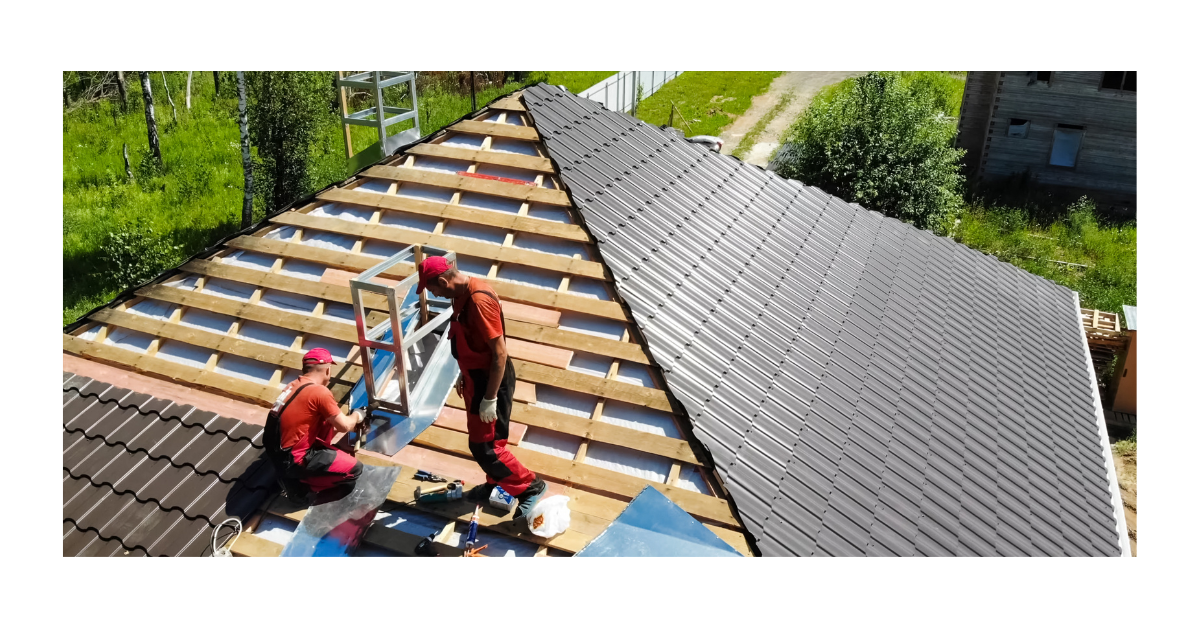
- Metal roofing systems, offering low weight and fast installation
Flat roofs frequently utilize:
- EPDM synthetic membranes for flexibility and UV resistance
- PVC membranes for weldable seams and chemical tolerance
- TPO membranes for heat reflectivity and energy efficiency
- Built-up bituminous systems for layered waterproof strength
Material selection must consider roof pitch, support structure, insulation depth, vapor control strategy, drainage design, and climate exposure. A detailed roofing service survey ensures compatibility between chosen material and building requirements, preventing premature failure or safety hazards.
Structural Surveys and Pre-Roofing Inspections: The Crucial First Stage
Before any installation begins, responsible roofing service providers conduct comprehensive surveys to assess underlying conditions. Structural surveys examine timber strength, decking integrity, damp penetration, metal corrosion, insulation saturation, and ventilation pathways. Surveyors may also evaluate:
- Roof pitch and drainage characteristics
- Load-bearing requirements for heavy tile systems
- Compatibility with solar mounting hardware
- Flashing and parapet conditions
- Chimney stacks, skylights, or roof vents

Ignoring survey results risks significant complications later, including membrane blistering, tile detachment, or condensation buildup. Detailed inspection reports guide cost estimation, material selection, and sequencing, ensuring clients understand the technical and financial implications of their roofing project.
Roofing Service for Residential Clients: Aesthetic Harmony Meets Performance Goals
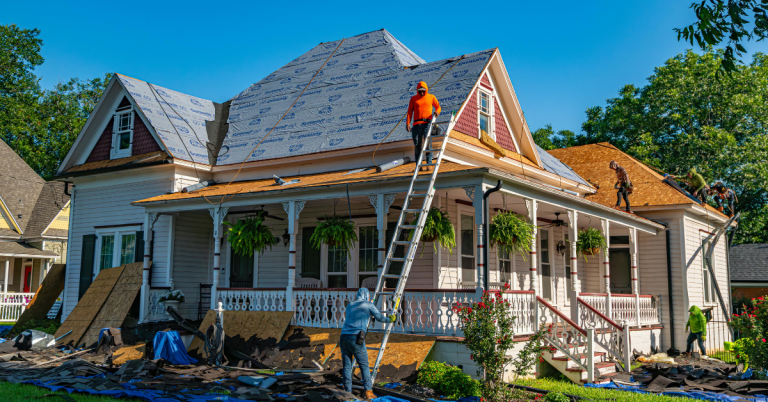
Residential roofing projects are influenced by architecture, planning regulations, and neighborhood aesthetics. Many older UK homes still rely on slate or clay tiles that require specialized reinstatement techniques. Modern properties may incorporate lightweight metal panels or breathable underlay systems to enhance moisture management and thermal performance. Residential roofing service plans frequently involve:
- Tile or slate replacement
- Ridge and hip reconstruction
- Chimney flashing repairs
- Gutter, soffit, and fascia upgrades
- Moss removal and preventive cleaning
- Loft insulation improvements
- Skylight or dormer installations
When completed by skilled contractors, residential roofing upgrades enhance kerb appeal, reduce energy waste, and support long-term property asset value. Buyers increasingly prioritize homes with sound roofing structures due to the high cost of emergency roof replacements during ownership.
Roofing Service for Commercial, Industrial, and Institutional Buildings
Commercial and industrial roofing differs substantially from residential applications due to functional demands, safety standards, and operational constraints. Flat roofs are predominant across warehouses, factories, logistics hubs, leisure centers, and office buildings. These roofs must support heavy equipment, walkways, plant units, and solar arrays while maintaining watertight performance and load-bearing stability. Industrial roofing service tasks may involve:
- Installation of multi-layer membrane systems
- Tapered insulation boards for effective drainage
- Fire-resistant or chemical-resistant coverings
- Waterproof coatings for extended lifespan
- Vapor control layers to prevent condensation
- Load analysis for equipment placement
Institutional clients such as educational campuses require roofing service scheduling around occupancy, with controlled noise levels, safety cordons, and documented compliance procedures. For these sectors, preventive roofing maintenance avoids operational shutdowns and protects expensive infrastructure housed beneath roof structures.
Energy Efficiency, Insulation, and Ventilation Strategies
Modern roofing specifications increasingly emphasize building performance rather than mere weatherproofing. Insulation upgrades are essential for maintaining thermal comfort and reducing energy bills. Ventilation ensures that moisture does not accumulate within the roof cavity, preventing timber decay and mold formation. A professional roofing service provider integrates:
- Ridge and soffit ventilation components
- Breathable underlays that allow moisture escape
- Vapor control layers where required
- Insulation boards that reduce thermal bridging
- Reflective coatings for heat rejection on commercial roofs
Solar-ready roofing systems represent a fast-growing category. Reinforced mount points, safe cable routing, and membrane compatibility studies ensure that photovoltaic installations do not compromise roofing integrity or void warranties.
Long-Term Roof Maintenance, Inspections, and Lifecycle Planning
Even the best materials require structured maintenance to prevent premature deterioration. Maintenance plans typically include gutter flushing, moss removal, flashing inspections, membrane recoating, sealant renewal, debris clearing, and drainage performance checks. Storm aftercare inspections identify punctures, lifted tiles, or membrane fractures early before leaks escalate. Many roofing warranties require periodic assessments to remain valid, particularly for flat membrane systems with manufacturer-backed guarantees. Lifecycle planning enables property owners to anticipate replacement timelines with improved budgeting accuracy, reducing emergency expenditure and supporting long-term asset planning.
Contractor Credentials, Certification, and Insurance Considerations
Selecting a roofing contractor should never rely solely on low pricing. Proper accreditation ensures that teams are trained in materials handling, fall protection, hot works safety, and manufacturer installation methods. Insurance coverage protects clients from liability during scaffolding erection, heavy lifting, and roof-edge operations. Reputable roofing service contractors present written quotations, itemized material lists, documented survey findings, warranty terms, and project timelines before work begins. Clients should examine portfolios, review references, and verify certification status to avoid unqualified operators who may jeopardize safety, void warranties, or use inferior materials.
Cost Structures, Pricing Variables, and Value-Based Decision Making
Roofing service pricing reflects multiple variables, including access requirements, roof pitch, material selection, insulation upgrades, labor duration, disposal costs, and warranty duration. Pitched roof costs may incorporate tile counts, ridge tile installations, lead flashing details, or batten replacement. Flat roof estimates may follow a per-square-meter model influenced by membrane thickness, insulation type, and drainage design. While competitive pricing is important, long-term value should drive decision-making. Cheaper installations often result in repeat repairs, leak incidents, and insurance issues that surpass initial savings. Property owners benefit from transparent roofing service quotations that outline labor, material specifications, and warranty coverage in clear terms.
Impact of Roofing Service on Property Valuation and Energy Performance
Roof upgrades deliver tangible financial benefits in resale value, rental attractiveness, and operational cost reduction. Buyers and tenants prioritize buildings with modern waterproofing, strong insulation, and energy-efficient retrofits. Real estate appraisers routinely account for roofing condition when determining market values. Commercial property owners may achieve additional performance credits through energy certification schemes, improving corporate sustainability metrics. Ultimately, roofing service investments extend beyond aesthetic appearance; they provide measurable returns in comfort, durability, and utility cost savings.
Trusted Roofing Service Options for UK Property Owners
Homeowners, landlords, developers, and facility managers seeking dependable UK-based contractors may explore reputable providers such as Roofing service, offering installation, repairs, refurbishments, and maintenance packages aligned with modern performance standards. Working with a skilled roofing service provider ensures technical accuracy, regulatory compliance, manufacturer-certified installation practices, and warranty-backed protection. Companies with transparent communication and detailed inspection reporting foster stronger client confidence and more predictable project outcomes.
Outlook on Future Trends in Roofing Service Innovation
Looking ahead, the roofing sector is poised for continued innovation. Smart leak detection systems using sensors, solar-integrated roof tiles, recycled material membranes, robotic inspection tools, and advanced thermal modeling software are emerging across high-performance markets. Regulatory pressure toward carbon reduction and energy efficiency will further accelerate demand for better insulation values, reflective coatings, and renewable-ready roofing platforms. As building science evolves, partnering with knowledgeable roofing service contractors ensures that property owners can navigate these advancements effectively and economically. Companies such as Roofing service specialists remain integral in bridging practical construction challenges with performance-driven design, guaranteeing structures remain safe, dry, and environmentally responsible throughout their lifecycle.