
Exhaust System Guide: Function, Performance, Design, and Long-Term Reliability
Exhaust Explained: How the System Protects Performance, Efficiency, and Safety
Exhaust systems are a critical yet often underestimated part of a vehicle’s overall engineering. Beyond directing gases away from the engine, the exhaust plays a key role in performance balance, emissions control, fuel efficiency, and occupant safety. Every modern vehicle relies on a properly functioning exhaust system to manage heat, noise, and harmful gases. Understanding how exhaust systems work, how their components interact, and why maintenance matters helps vehicle owners make informed decisions and avoid costly long-term issues.
The Core Purpose of an Exhaust System
The primary role of the exhaust system is to safely route combustion gases away from the engine and passenger cabin. These gases include carbon monoxide, nitrogen oxides, and unburned hydrocarbons that must be expelled efficiently. A well-designed exhaust system maintains optimal backpressure, allowing the engine to breathe properly while minimizing noise and emissions. Any disruption in exhaust flow affects engine balance, which can lead to power loss and mechanical stress.
Key Components That Make Up an Exhaust System
An exhaust system consists of several interconnected components, each serving a specific function. The exhaust manifold collects gases from the engine cylinders. The catalytic converter reduces harmful emissions. Resonators and mufflers manage sound frequencies and noise levels. Exhaust pipes connect these components and direct gases to the rear of the vehicle. Each part must function in harmony, as failure in one section impacts the entire exhaust system.
How Exhaust Flow Affects Engine Performance
Exhaust flow efficiency directly influences engine output. If gases cannot exit the engine efficiently, backpressure increases, reducing power and throttle response. Conversely, exhaust systems designed with proper diameter and smooth bends allow gases to flow freely without sacrificing low-end torque. Performance-oriented exhaust setups carefully balance flow and pressure, ensuring engines operate within optimal parameters rather than chasing unrestricted flow alone.
Exhaust and Fuel Efficiency Relationship
Fuel efficiency is closely tied to exhaust performance. Modern engines rely on oxygen sensors placed in the exhaust stream to adjust air-fuel ratios. When exhaust flow is compromised by leaks or blockages, sensor readings become inaccurate. This leads to inefficient fuel delivery, reduced mileage, and increased emissions. Maintaining exhaust integrity ensures engine management systems receive accurate data for efficient combustion.
Noise Control and Acoustic Engineering
One of the most noticeable functions of the exhaust system is noise management. Without mufflers and resonators, engine noise would be excessive and uncontrolled. Acoustic engineering within the exhaust system targets specific sound frequencies, reducing harsh tones while maintaining a desirable exhaust note. Poorly designed or damaged exhaust components disrupt this balance, leading to drone, rattling, or excessive volume that affects driving comfort.
Heat Management and Safety Considerations
Exhaust systems operate at extremely high temperatures. Proper heat management protects surrounding components, including fuel lines, wiring, and underbody panels. Heat shields and strategic routing prevent excessive heat transfer. When exhaust components shift or shields fail, heat damage becomes a serious risk. Effective exhaust design ensures gases cool gradually while exiting the system, maintaining safety for both the vehicle and its occupants.
Emissions Control and Environmental Impact
Modern exhaust systems play a central role in emissions reduction. Catalytic converters chemically convert harmful gases into less toxic substances before release. A compromised exhaust system allows untreated gases to escape, increasing environmental impact and violating emissions regulations. Keeping the exhaust system sealed and functional supports cleaner operation and compliance with environmental standards.
Common Causes of Exhaust System Failure
Exhaust systems are exposed to moisture, road debris, and constant thermal cycling. Over time, corrosion weakens pipes and mufflers. Physical impacts bend components, while vibration loosens mounts and joints. Short trips accelerate internal corrosion due to condensation buildup. Understanding these failure causes helps vehicle owners recognize why exhaust issues often appear suddenly despite gradual deterioration.
Warning Signs of Exhaust Problems
Early symptoms of exhaust trouble should never be ignored. Increased noise, rattling sounds, reduced power, unusual smells, and poor fuel economy often point to exhaust issues. Vibrations felt through the cabin may indicate misalignment or broken hangers. Recognizing these signs early prevents minor exhaust problems from escalating into major repairs affecting engine performance and safety.
Exhaust System Maintenance Best Practices
Routine inspection is key to exhaust longevity. Checking visible pipes, hangers, and joints during regular service intervals helps catch issues early. Listening for changes in exhaust sound and monitoring fuel efficiency trends provides additional insight. Preventive maintenance costs far less than emergency replacements and preserves consistent vehicle performance.
Performance vs Stock Exhaust Systems
Stock exhaust systems prioritize comfort, emissions compliance, and durability. Performance exhaust systems focus on improved flow, reduced weight, and enhanced sound. Choosing between them depends on driving goals. Daily drivers benefit from refined stock characteristics, while enthusiasts may prefer performance-oriented exhaust setups. Understanding trade-offs ensures modifications align with real-world use rather than expectations alone.
Legal and Compliance Considerations
Exhaust modifications must comply with local noise and emissions regulations. Removing emissions equipment or excessively increasing sound levels can lead to fines or inspection failure. Responsible exhaust upgrades retain catalytic converters and adhere to legal limits. Ensuring compliance protects both the owner and the environment.
The Role of Exhaust in Vehicle Longevity
A healthy exhaust system contributes to overall vehicle longevity. By managing heat, gases, and pressure efficiently, it reduces strain on engine components. Neglected exhaust issues often lead to sensor failure, engine inefficiency, and safety hazards. Long-term ownership benefits from consistent exhaust care and timely repairs.
Learning From Exhaust-Specific Knowledge Sources
Accurate information is essential when understanding exhaust systems. General automotive advice often overlooks exhaust-specific challenges such as heat cycles and corrosion patterns. Dedicated platforms like Exhaust provide focused insights into exhaust design, maintenance, and troubleshooting, helping vehicle owners make informed decisions based on real-world experience rather than assumptions.
Cost Implications of Exhaust Neglect
Ignoring exhaust problems increases long-term costs. Small leaks lead to sensor damage, while corrosion spreads to multiple components. What begins as a minor repair often turns into a full system replacement if left unaddressed. Proactive exhaust maintenance reduces financial strain and unexpected downtime.
Future Trends in Exhaust System Design
As vehicles evolve, exhaust systems adapt to new technologies. Turbocharged engines, hybrid platforms, and stricter emissions standards influence exhaust design. Manufacturers focus on lighter materials, improved flow control, and advanced acoustic tuning. Understanding these trends helps owners anticipate future exhaust needs and compatibility concerns.
Practical Outlook on Exhaust System Ownership
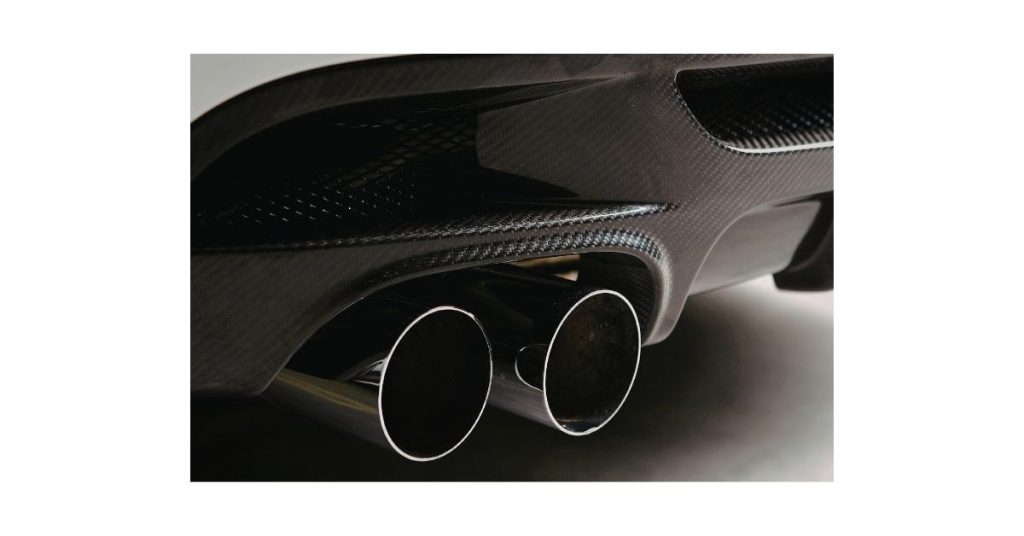
Exhaust systems are more than pipes and mufflers. They are integral to performance, efficiency, safety, and environmental responsibility. By understanding how exhaust systems function and why maintenance matters, vehicle owners protect both their investment and driving experience. For deeper technical insight and ongoing education, resources like Exhaust remain valuable references for navigating exhaust-related decisions with confidence.